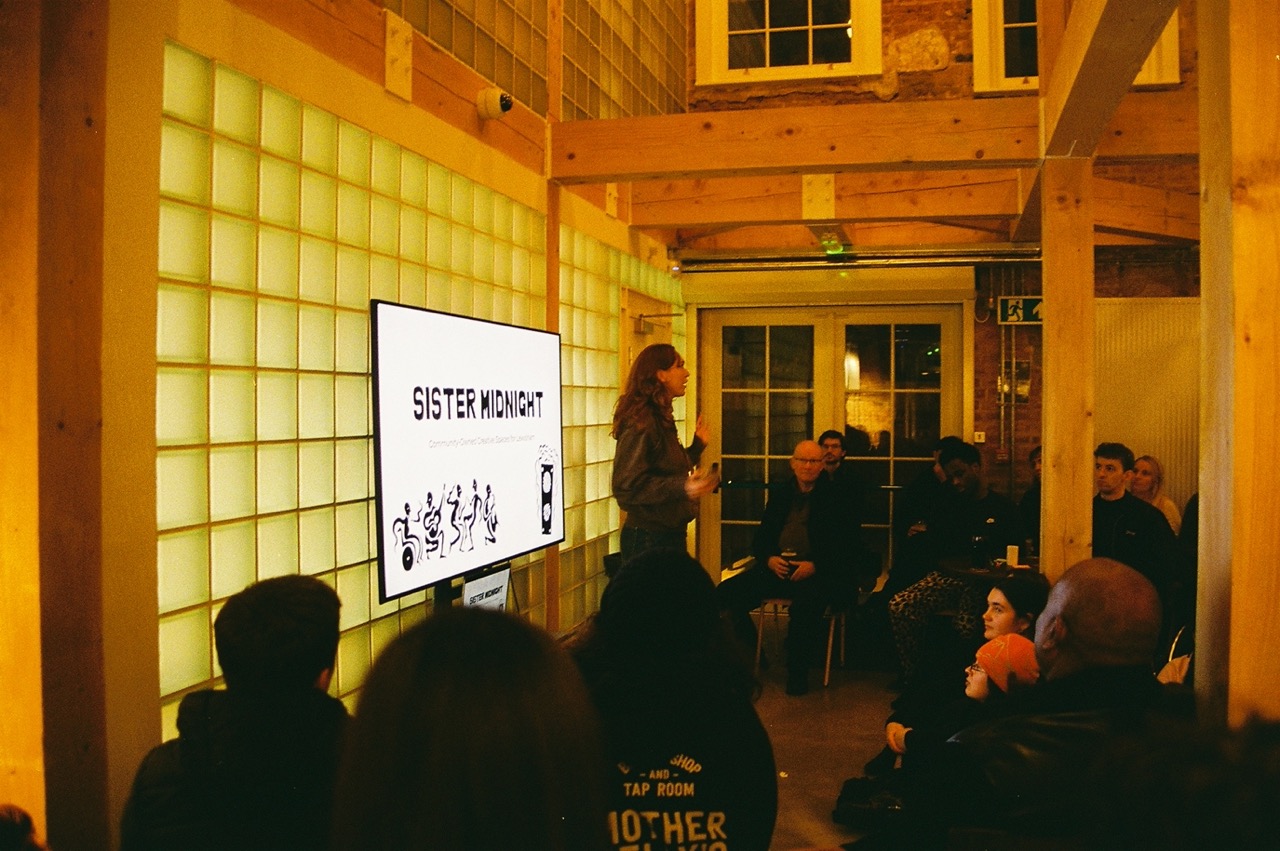
In 2020, in the depths of lockdown, I was contemplating the future of my business. Sister Midnight was a grassroots music venue and record shop in a lock-up unit on a back street in Deptford. We'd been running for two years and had built a beautiful, supportive community, but we were struggling. The building was falling apart because the landlord wouldn't maintain it, the workload was unsustainable, and imminent financial peril was a daily reality. Throw a global pandemic into that mix, and it was clear the business couldn't simply go back to how things had been before.
Prior to the pandemic, only a handful of grassroots venues like mine had ever received public funding, despite propping up the UK's £5bn music economy. Cultural Recovery Funding eventually emerged, in huge part thanks to the tireless work of Music Venue Trust, and reached 90% of the UK’s grassroots music venues. Sister Midnight was one of the venues that got funding, and for the first time since we opened I had the capacity to think about what our future could be, rather than how to survive the month. That was when I came across community ownership, and it clicked immediately.
What's happened in the six years since would fill a book. Sister Midnight is now a Community Benefit Society owned by nearly 1500 local people, and we're well on our way to opening the doors to our new home; a former working men's club in Catford which we've been fundraising to retrofit.
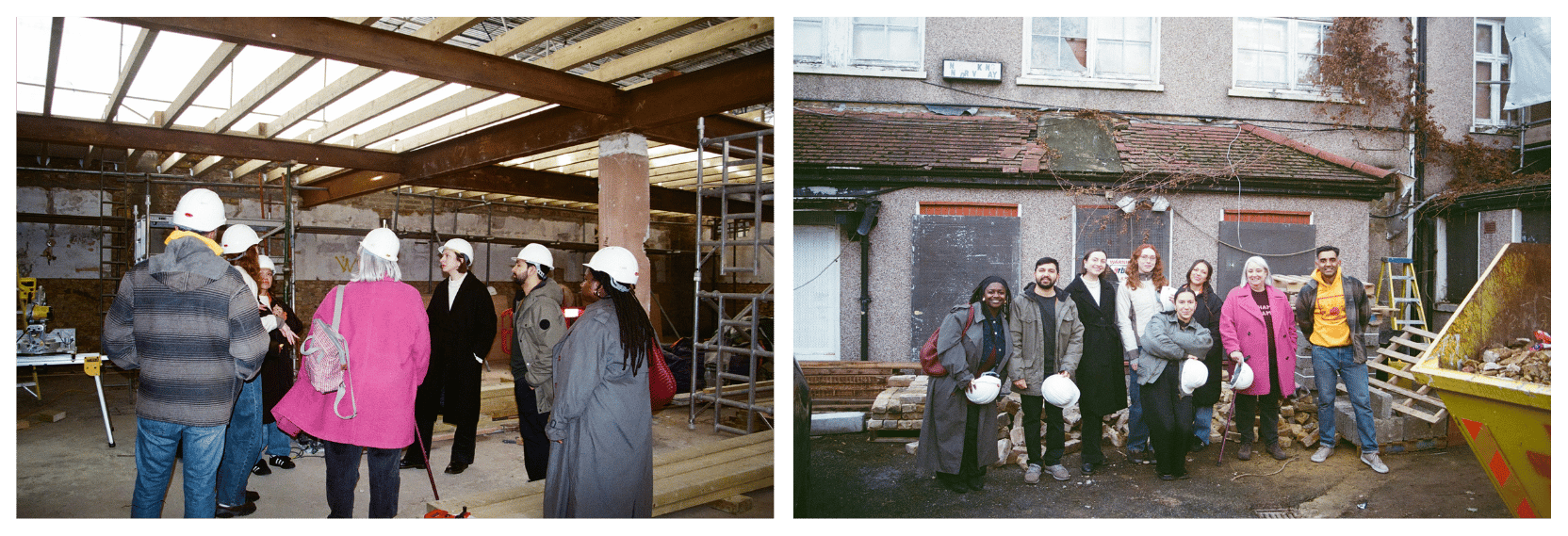
If my experience taught me anything, it was that community ownership isn't accessible to everyone. There's a host of structural barriers that contribute to that, money is a big one. Without the extraordinary circumstances of the covid pandemic and the public funding that followed it, I'd never have had the capacity to get Sister Midnight where it is today. And since then, the support available to new campaigns has dried up — the Community Ownership Fund closed to applications in January 2025 and nothing has replaced it, so anyone starting this work today is doing it in a much more challenging climate than I was six years ago.
So when Shared Assets asked me to work on the Inclusive Ownership project, I jumped at the opportunity.
Ownership of land in this country is remarkably concentrated, and most people have no meaningful say over what happens to the neighbourhoods they live in. Guy Shrubsole's Who Owns England? found that half of England is owned by less than 1% of the population. The consequences of that are everywhere I look: empty shops on the high street, pubs closed without warning and redeveloped as luxury flats, another tower block of unaffordable housing and a pitiful contribution to social housing stock.
Community ownership is one of the few routes with the potential to change that. Through my work over the last six years I've come to understand land ownership as inseparable from justice, and I want to see as many communities as possible have democratic ownership of their local infrastructure - whether that's housing, community kitchens, or music venues.
I've worked with groups across England, many on my home turf in south London. Every group is different, but the common thread is that their challenges come down to two things: money and the right legislation.
Scotland has had a community right to buy since the Land Reform (Scotland) Act 2003, extended to urban communities by the Community Empowerment (Scotland) Act 2015, and it's shown what's possible. This project brings that learning into England and Wales, working with Community Land Scotland alongside Cwmpas, the Coalfields Regeneration Trust, The Ubele Initiative and the Centre for Local Economic Strategies. Funded by The National Lottery Community Fund, over five years we'll support more than 100 communities towards ownership.
But making a route available doesn't make it equally walkable. If we build pathways and wait to see who turns up, we already know roughly who that will be, so a core part of this work is developing routes to ownership with the communities facing the steepest barriers, including Black and minoritised communities, and communities in post-industrial towns.
A large part of the focus for this project will be working with policymakers, taking learnings from the communities we support and using them to advocate for the change that's needed. The English Devolution and Community Empowerment Act, passed earlier this year, introduces a community right to buy in England for the first time. It's a vital tool for communities, if backed up with the right funding to facilitate communities to act upon opportunities for ownership when they arise - a point made repeatedly as the Bill went through Parliament, and one we'll keep making. There are many in our sector already doing excellent work on this front, and I'm looking forward to joining the efforts to advocate with funders and policy makers to unlock the serious amounts of money needed to fund community ownership across the UK.
I feel a lot of hope about the next few years of work for community ownership. The moving parts are starting to line up - new legislation, a growing movement, more organisations pulling in the same direction - and there's a window of opportunity here that won't stay open indefinitely. The Inclusive Ownership project has arrived at the right moment to make use of it, and I intend to make the most of it.